

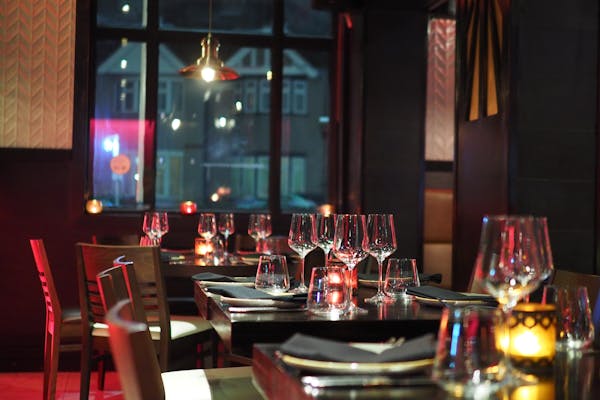


Top 10 Things to Do in Pau
In the capital of Béarn, a medieval castle that hangs like a balcony over the Pyrénées, a covered market that doubles as a living room, and a city shaped as much by its 19th-century winters as by the pleasures of the table.
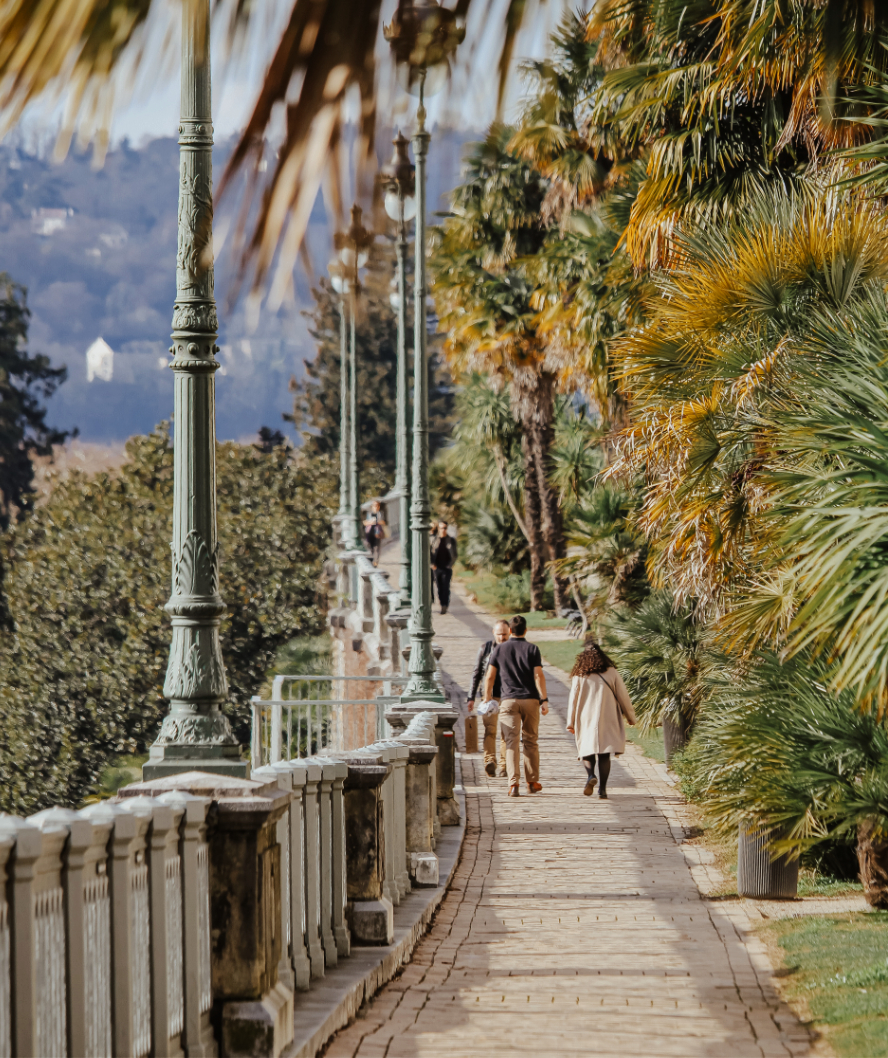
The Boulevard des Pyrénées at golden hour — a promenade built, in the 19th century, not just for walking but for contemplating.Pau, France
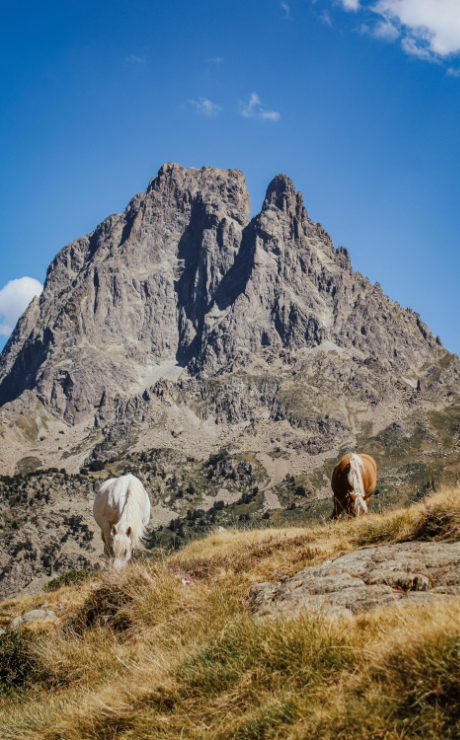
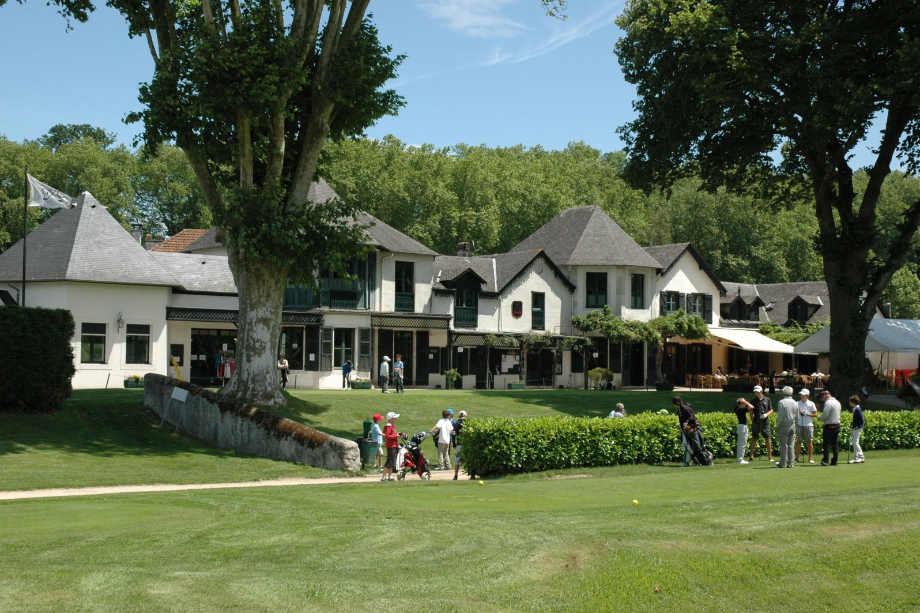
Perched on a gentle rise at the edge of the Pyrénées, Pau has long existed in cycles of quiet prominence and near anonymity. In the 19th century it became one of Europe's most fashionable winter resorts, drawing British aristocrats, Russian nobility, and American industrialists who came for the mild climate and stayed for the view — a sweeping panorama of jagged peaks that still defines the city today. The legacy of that era lingers in unexpected ways: in the English-style parks, the Victorian villas tucked into leafy neighborhoods, and even in the continent's oldest golf course, founded by Scottish expatriates.
What follows is a distilled itinerary — ten things to see, taste, and slow down for, drawn from a longer weekend in the city and arranged in roughly the order a visitor might encounter them.
Coffee on Europe's Winter Balcony
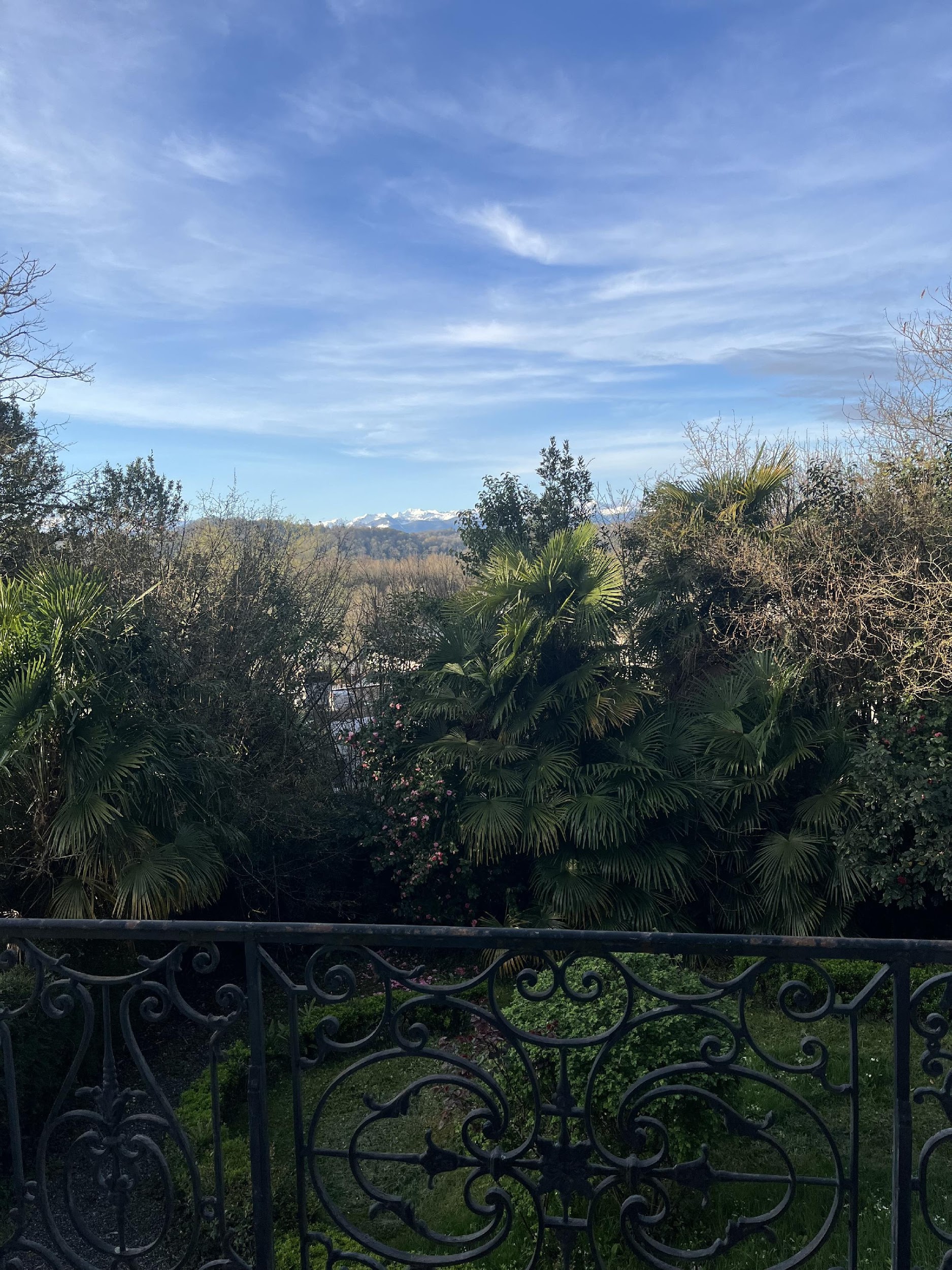
Ascend from the train station via the funicular — free of charge since 1908, carrying half a million passengers a year up a slope of palm, banana, and magnolia trees. At the top, the Boulevard des Pyrénées stretches for nearly two kilometers, framing the mountains the way a balcony frames a stage.
Linger over coffee at Café de la Paix, or, for something more refined, at Maison Constanti Salon de Thé et Glaces, where creative pastries are served against the rail of the promenade and the peaks beyond.
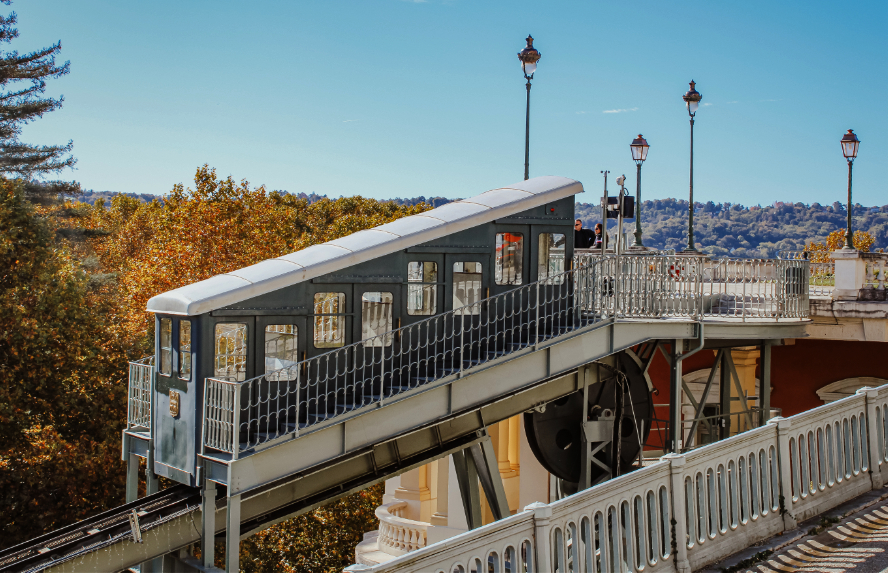
The funicular has lifted visitors from the station to the boulevard since 1908 — free, slow, and unhurried.
The Château & the Idea of France
The Château de Pau anchors both the skyline and the story of the city. Once a medieval fortress of the independent Béarn, it became a royal residence after the region was absorbed into France. Henri IV — born here in 1553 — remains central to local identity.
Inside, the château feels less like a monument than a lived-in palimpsest: Renaissance refinement layered over defensive stone, royal portraits passing the centuries with surprising informality.
Lunch at Les Halles, a Living Institution
At Les Halles de Pau, the city is at its most authentic. The 21st-century renovation — internationally recognized at the World Architecture News awards — preserved the spirit of a traditional covered market while opening the block into a lively, open-air rhythm.
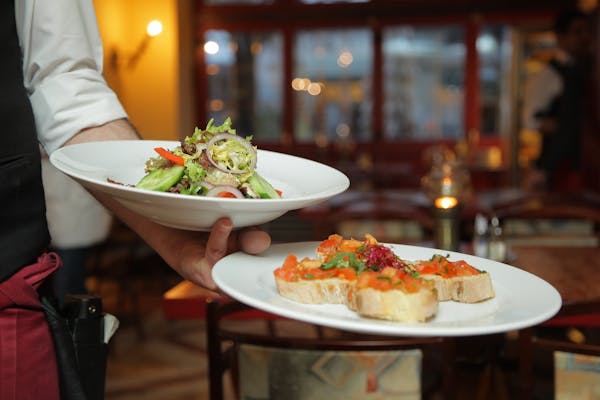
Producers from the Béarn and the Basque foothills sell directly: duck, foie gras, mountain cheeses, wines from nearby slopes. Eating here is best done informally — graze on oysters, share tapas upstairs, or assemble a meal of charcuterie and Ossau-Iraty cheese at a communal table with a glass of Jurançon. For a sit-down lunch, Esprit des Halles upstairs is the natural choice.
The English Villas & Parc Beaumont
Walk east to Parc Beaumont, whose winding paths and open lawns reflect the ideal of the English garden — Californian sequoias, Himalayan cedars, century-old magnolias. Just beyond, the Trespoey neighborhood reveals a collection of Belle Époque Victorian villas, all turrets and bay windows, that feel closer to Surrey than to southwest France.
Nearby, the Palais Beaumont — built in 1899 as a casino for British and American guests — still hosts concerts and exhibitions, its elegant architecture a reminder of when Pau sat at the crossroads of leisure, culture, and European high society.
Place Royale & the Famous Russe
Return toward Place Royale, where the alignment of the château and the mountains feels almost intentional. Pau's historic center reveals itself gradually — narrow streets, small courtyards, façades that carry centuries lightly.
Pause at Pâtisserie Artigarrède for a slice of le Russe, an iconic regional cake invented here in the 1920s — two almond layers around a praliné-scented cream, with a texture both soft and faintly crisp. A beloved local institution.
A Morning at the Musée des Beaux-Arts
The Musée des Beaux-Arts de Pau quietly reflects a time when Pau was anything but provincial. Works by Degas, Corot, and Flemish masters feel almost surprising here — until you recall that the same European elite who wintered in the city brought wealth, cultural ambition, and an eye for collecting.
Step back out afterward and return toward the boulevard or the château. In Pau, culture extends well beyond walls.
Poule au Pot at Place Clemenceau
Place Clemenceau functions as Pau's everyday living room — the square where the city shifts from historic to contemporary. Settle in at Le Poulet à 3 Pattes, a relaxed local favorite, and order the poule au pot — the dish Henri IV famously promised every French family, still served simply with tender chicken, vegetables, and an aromatic broth.
Descend into Le Hédas
Descend into the Quartier du Hédas, where Pau reveals a different layer. Once a working quarter linking the upper city to the river, its steep stairways and narrow passages have been reimagined into a corridor of murals, terraces, and small bars.
Take your time on the staircases, follow the curve of the old stream, and let the city unfold at a different pace. If you linger into the early evening, Durango Café opens around 5 p.m. — a lively, slightly offbeat terrace where the Hédas' younger side comes into view.
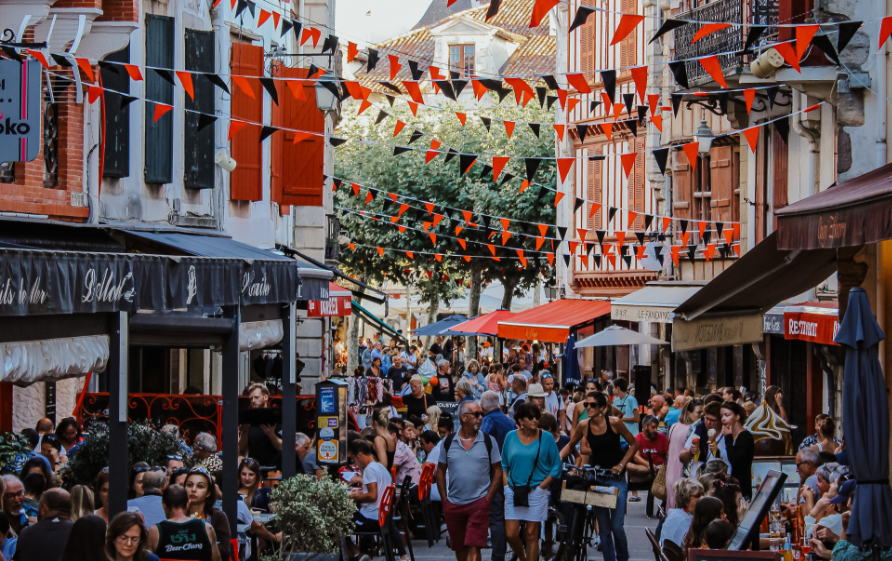
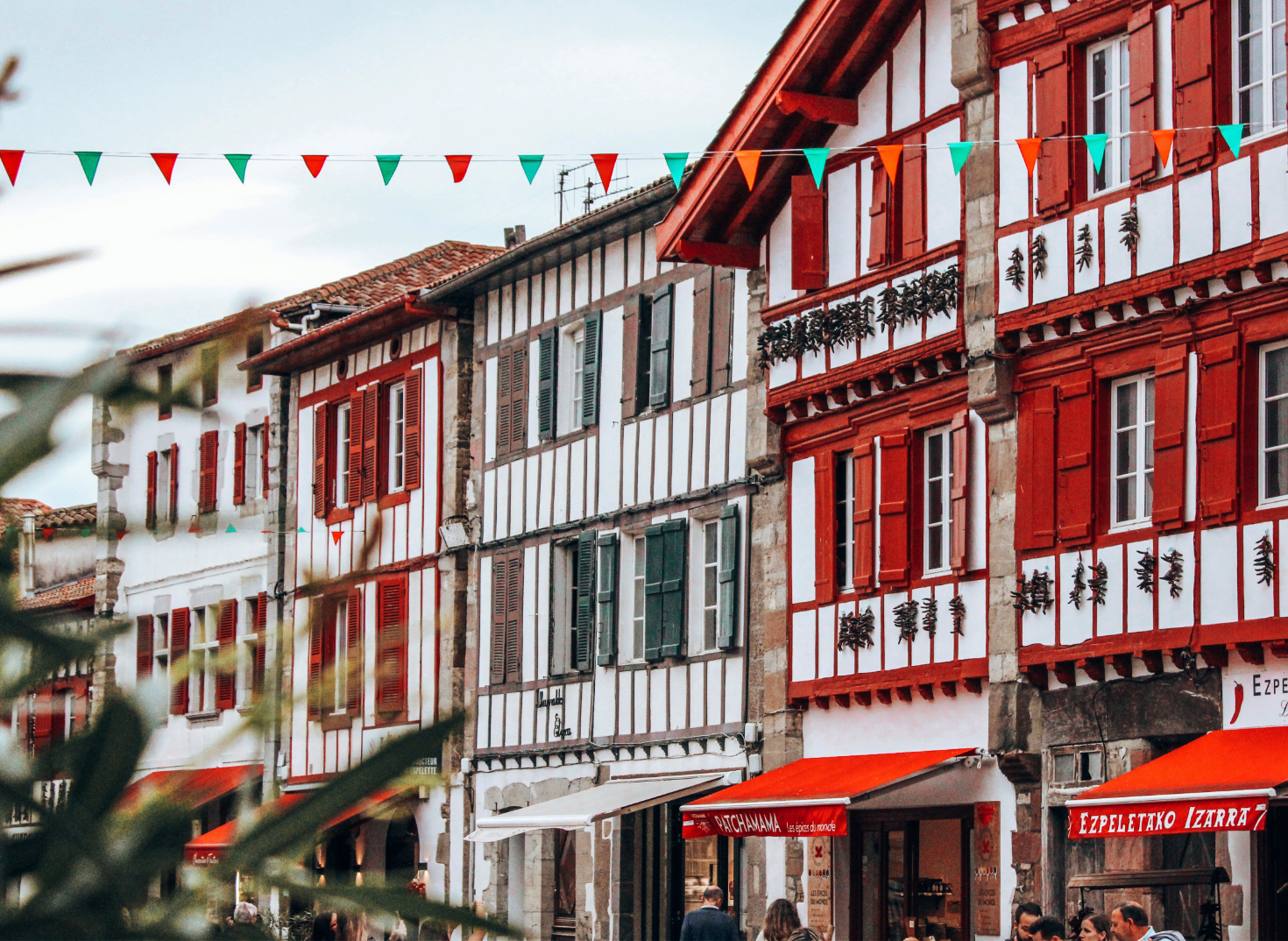
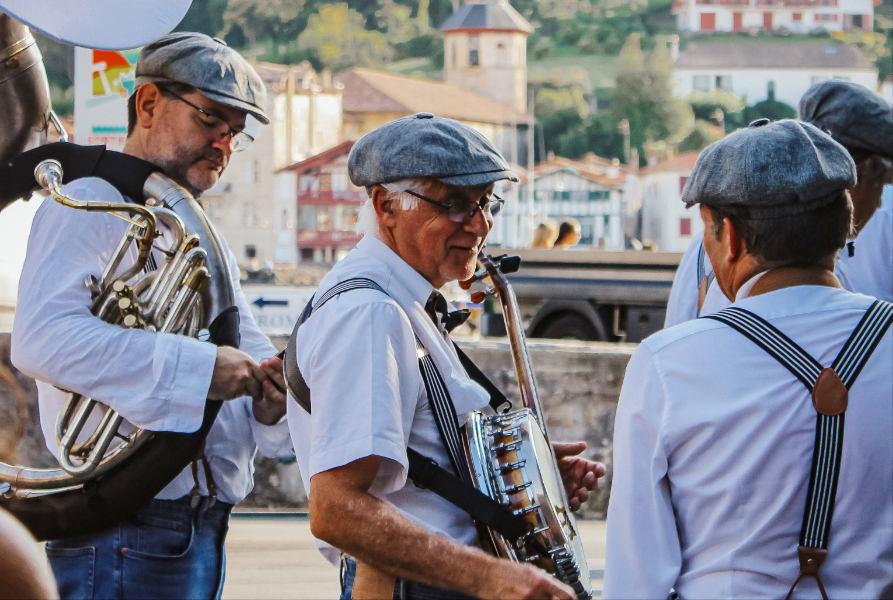
The streets of Pau on a festival evening — the city's social rhythm is one of its quieter pleasures.
Dinner, Contemporary Pau
At Omnivore, one of Pau's most established modern bistros, the region's cooking is quietly reinterpreted: duck from the farms of the Béarn, vegetables from nearby producers, cheeses from the Pyrénées — but the approach is lighter. Sauces are restrained, plates uncluttered.
For something more classic, Le Dauphin serves refined seafood — bay oysters, sea urchins, langoustine sauces, moules gratinées — while Jumo & Co, a Michelin Bib Gourmand, offers creative seasonal cooking at exceptional value.
A Cocktail on the Terrace, or a Film at Le Méliès
End the evening at the Parc Beaumont Hotel & Spa, where the bar's signature cocktail, L'Abeille, layers sweet Jurançon wine from Domaine Cauhapé with cranberry juice, honey, tarragon, and lemon. Best taken on the terrace, with the park stretching out and the Pyrénées beyond.
Or, for a quieter coda: a film at Cinéma Le Méliès, Pau's arthouse anchor. Any given week might move from a contemporary European drama to a restored classic, with a strong thread of Japanese cinema woven throughout.
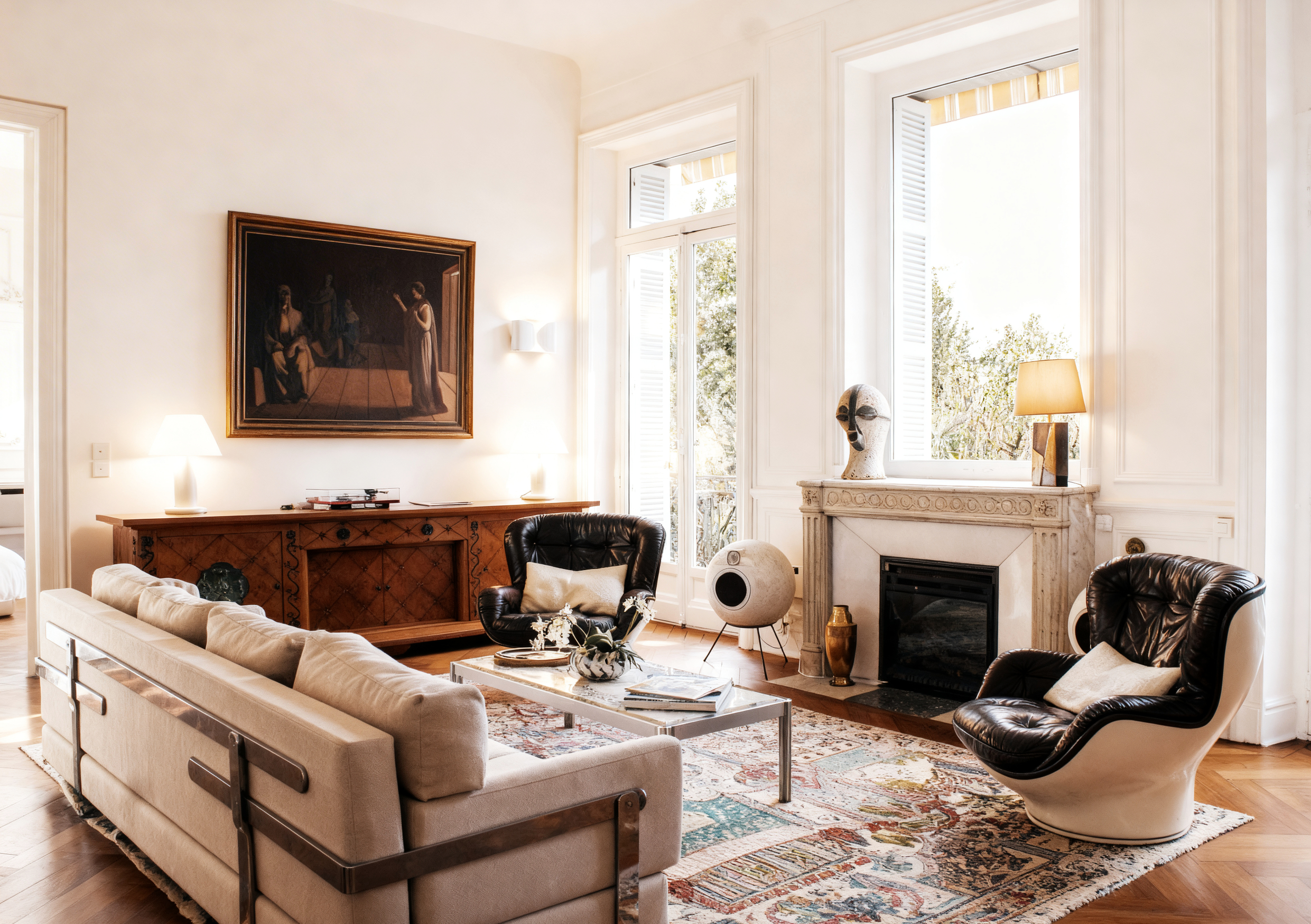
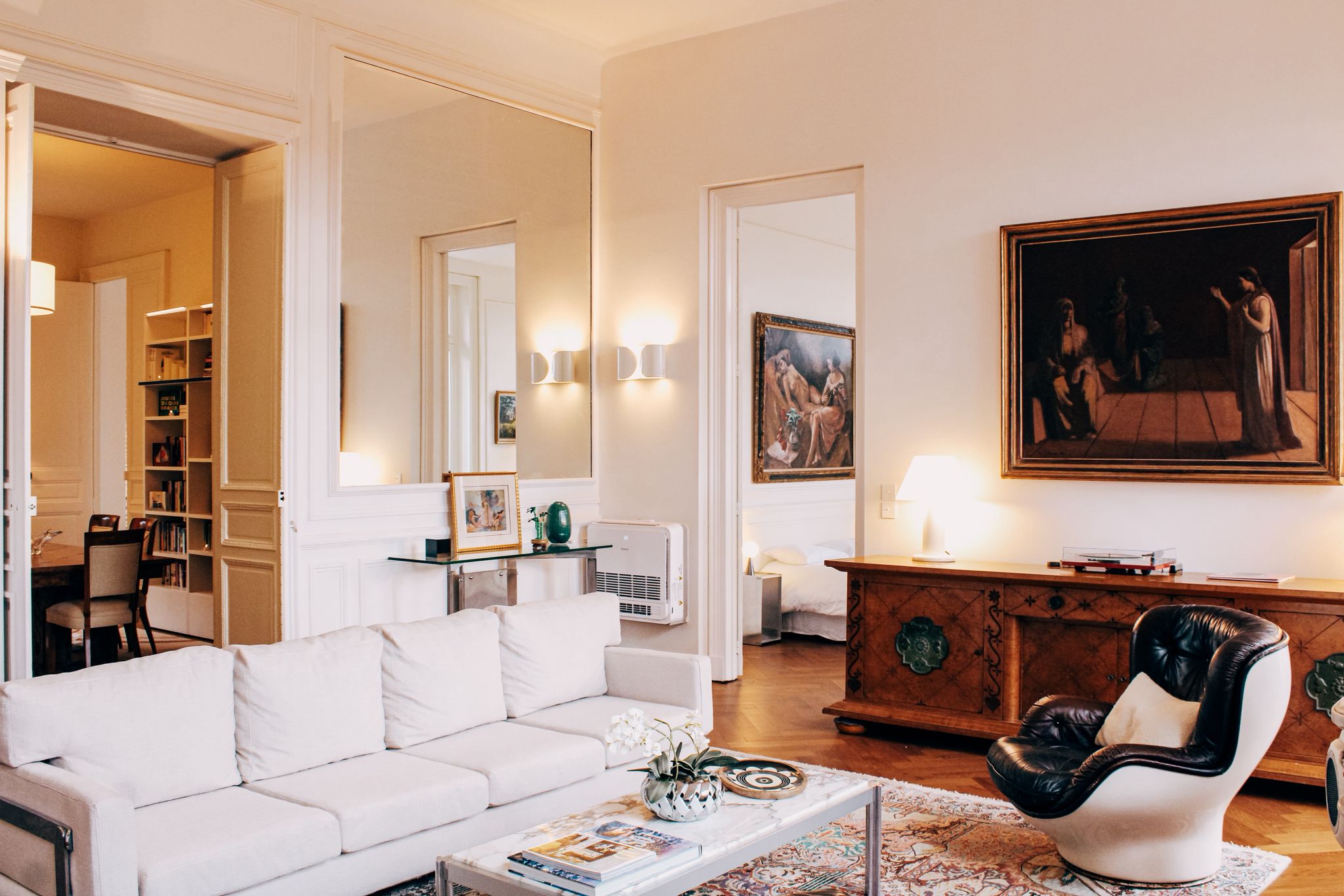
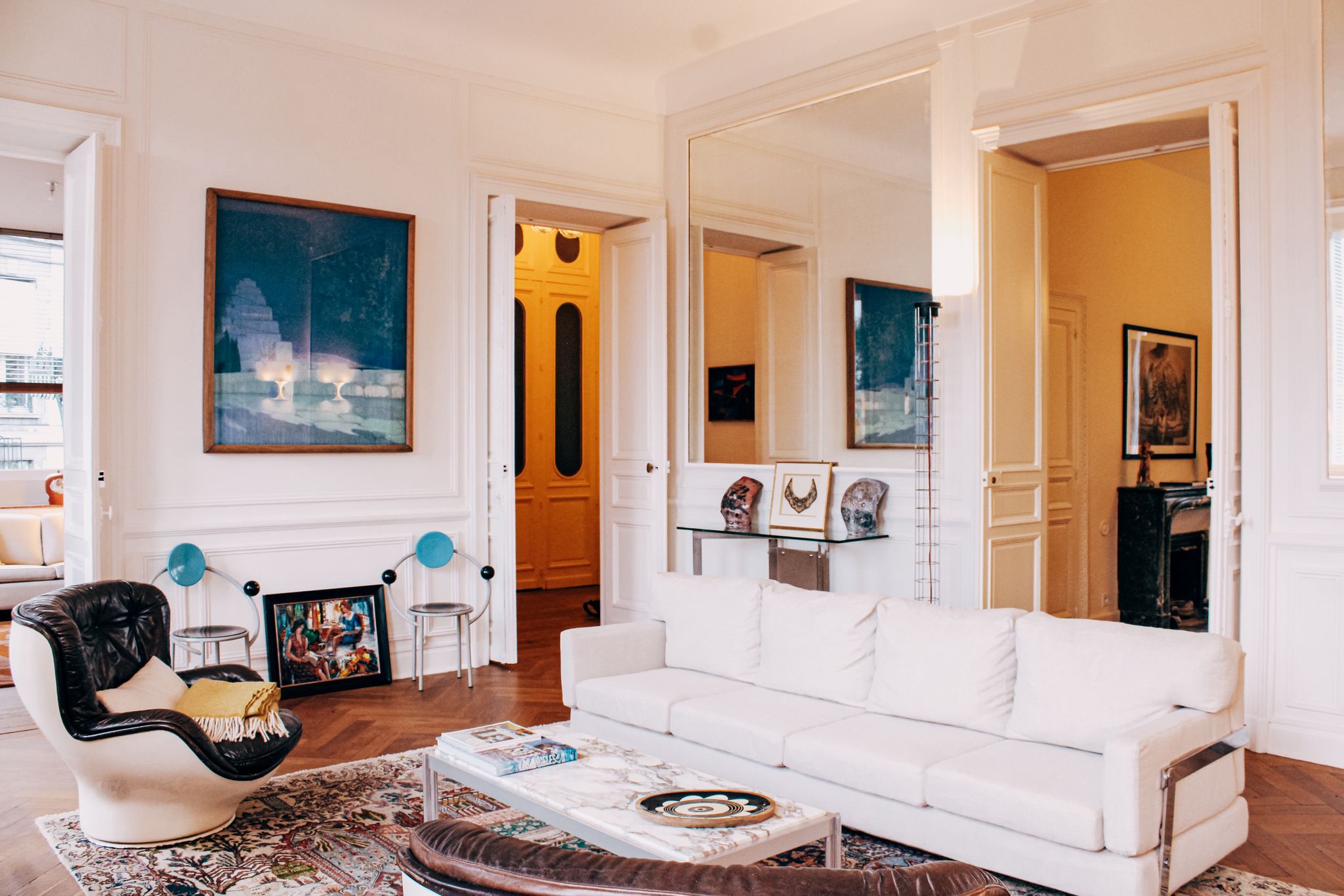
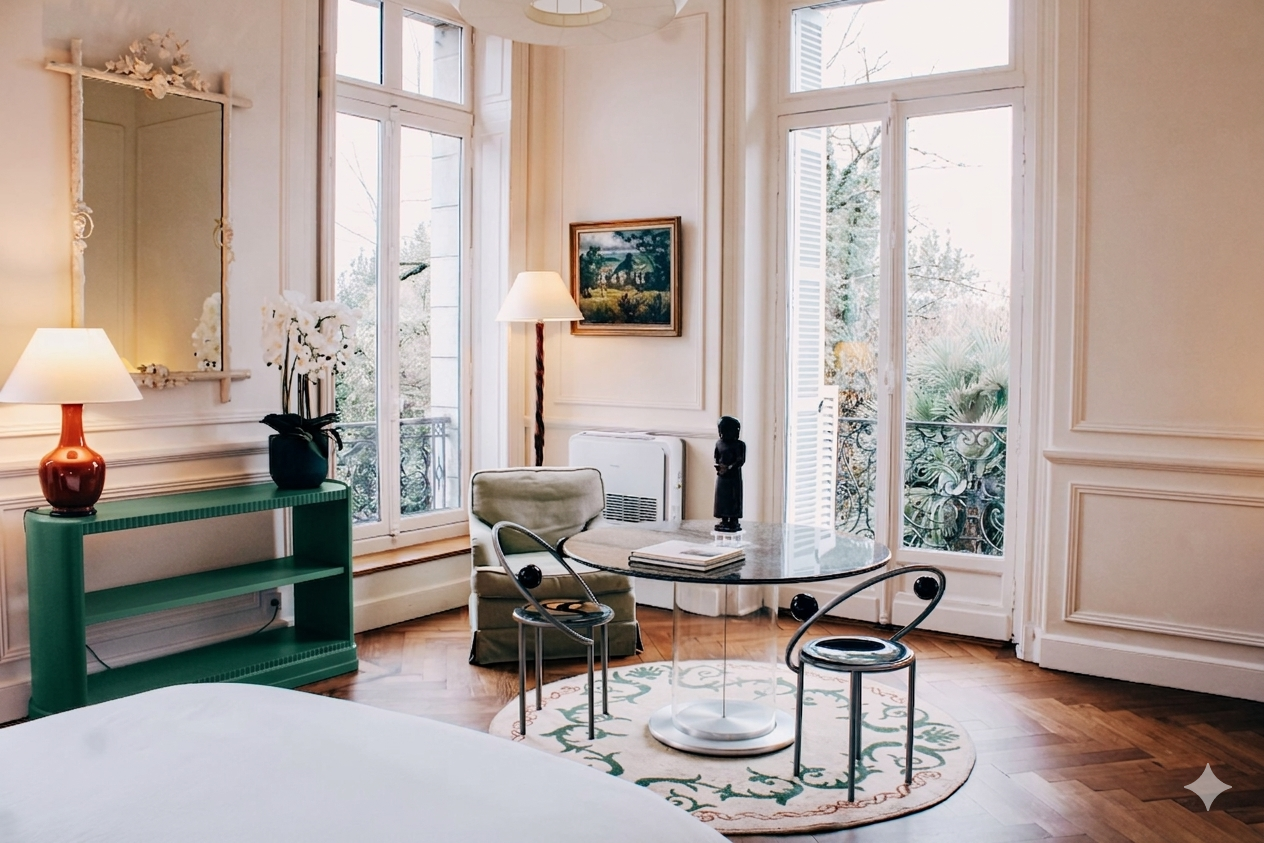
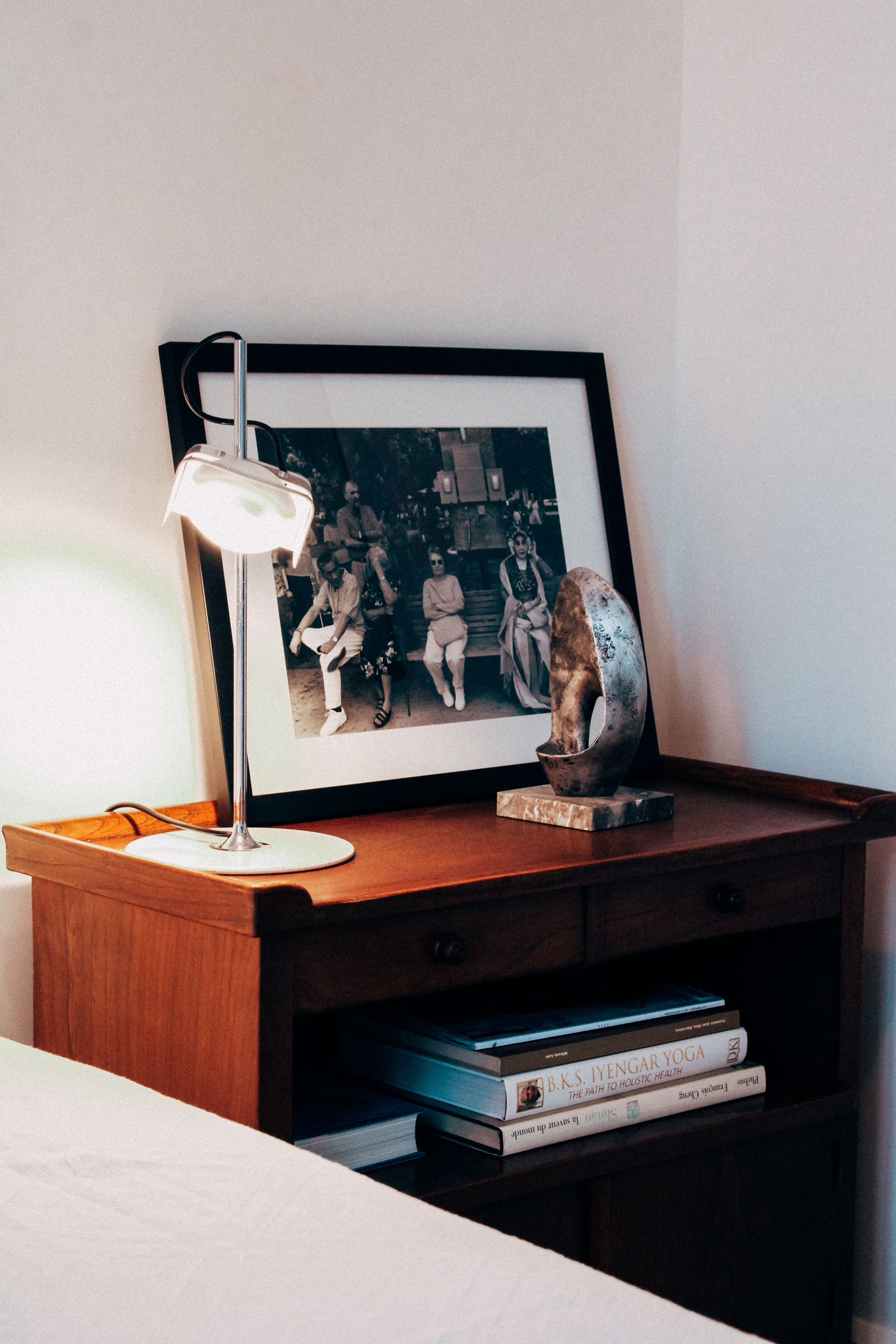
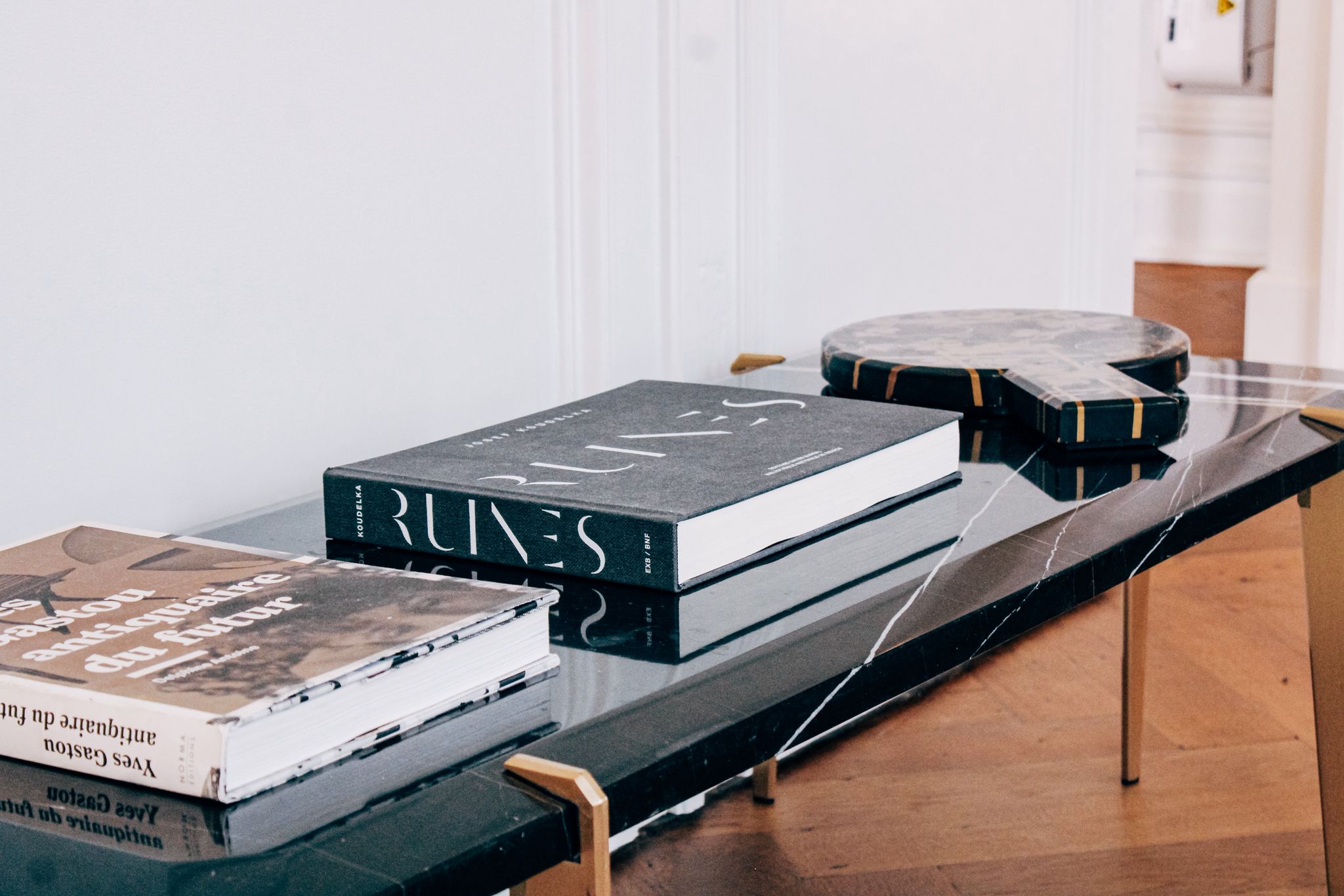
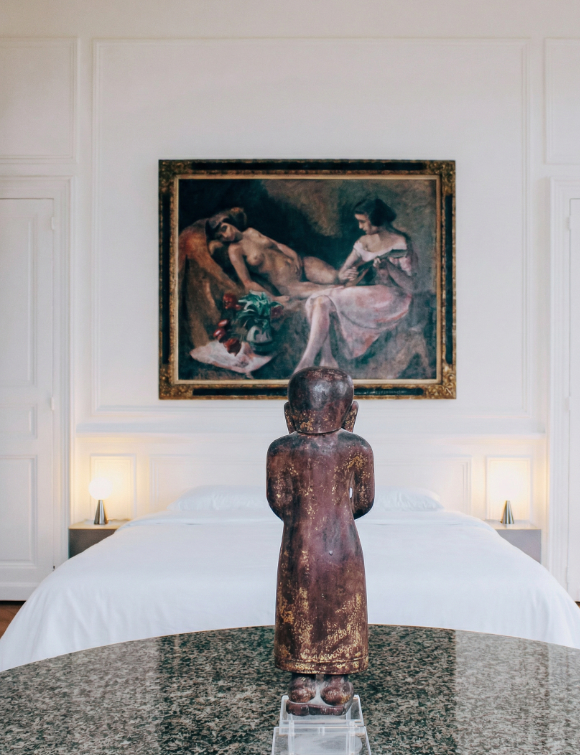
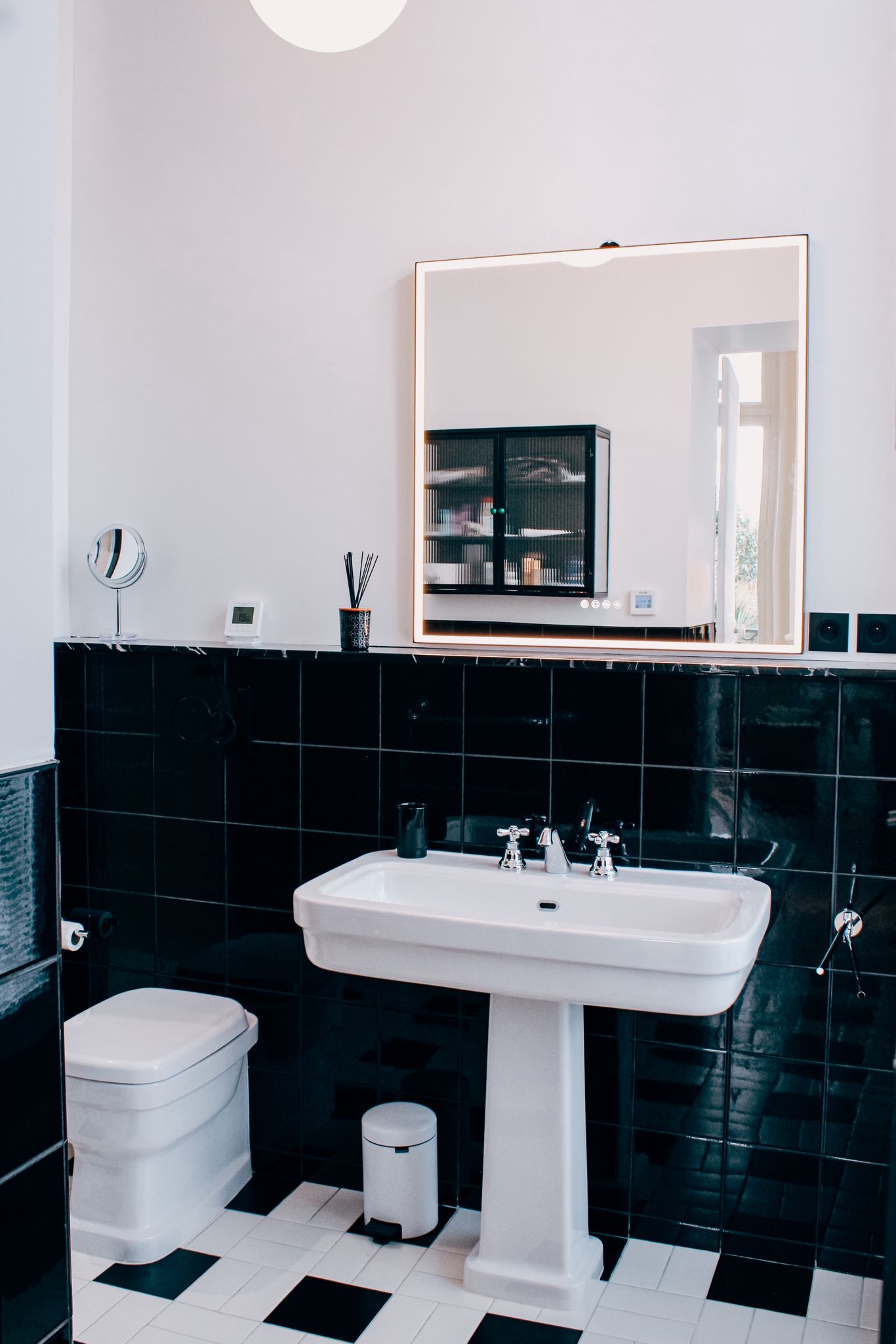
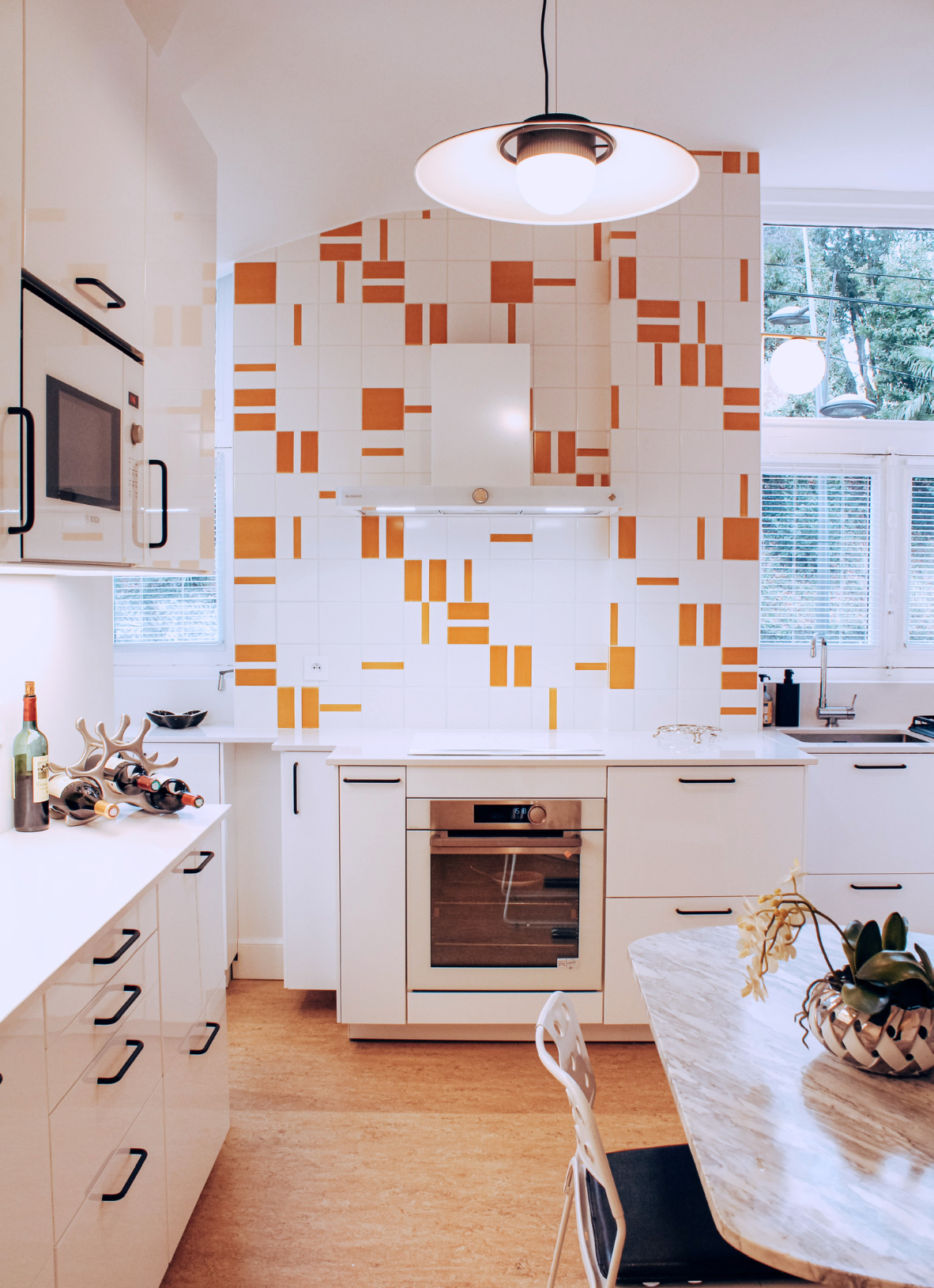
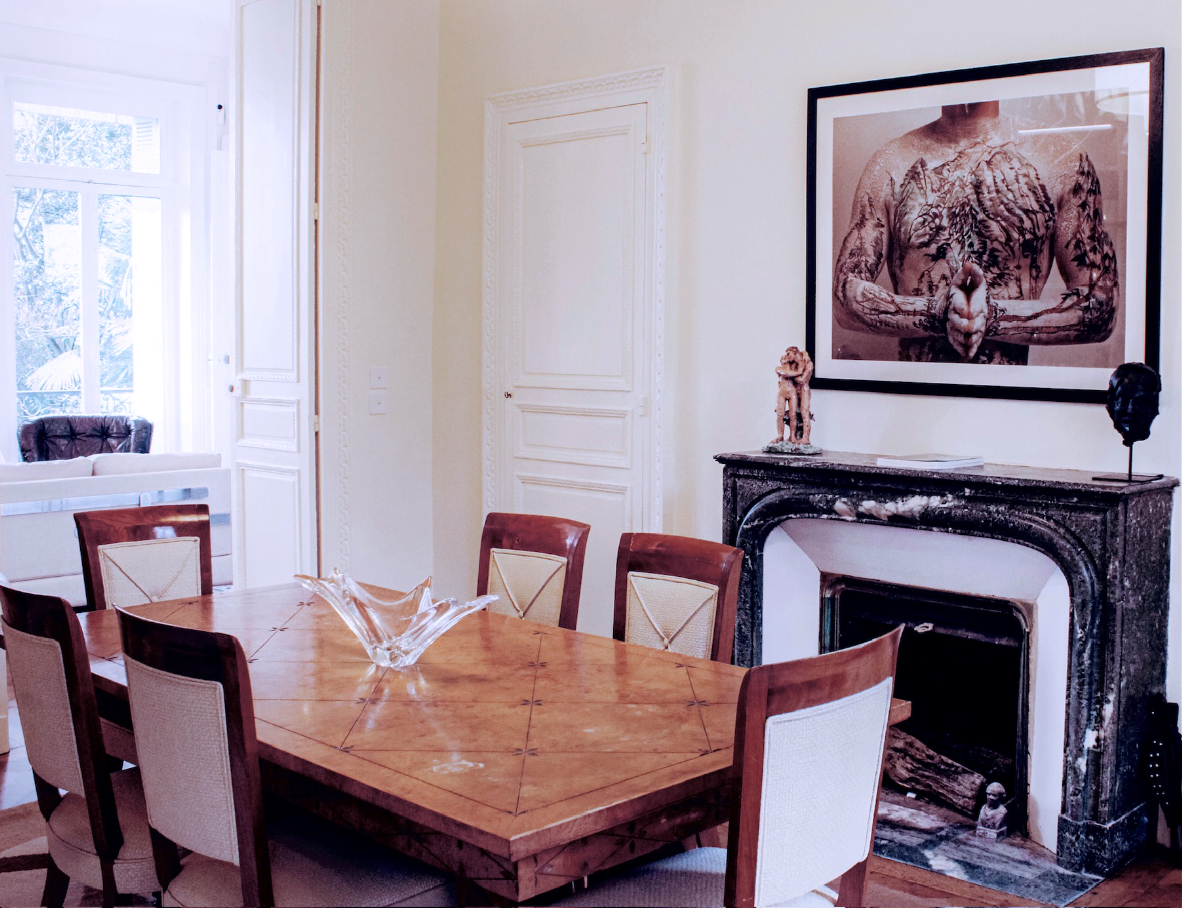
Where to stay. Villa Amyot — a literary and design retreat in a beautifully restored 19th-century apartment in the heart of Pau, with views of the Pyrénées, two bedrooms, and room for four. Read more about the apartment →